


Originally published in The Clarinet 53/3 (June 2026).
Copies of The Clarinet are available for ICA members.
Pedagogy Corner
A Clarinetist on Her Head: Redefining Support
by Shawn Copeland and Jackie McIlwain
For decades, “support” has been one of the most frequently used and least clearly defined words in clarinet pedagogy. We are told to “support more,” “push from the diaphragm,” or “hold up the sound.” These directions are meant to help. Often, they produce immediate results. But they also produce confusion and require unnecessary effort.
In our previous two articles, we clarified two essential pieces of the breathing mechanism. First, inhalation is organized by the diaphragm contracting and the ribs swinging upward and outward. Second, rib movement, not the diaphragm, is the primary structural driver of air movement. When ribs move freely, air flows. When rib movement is restricted, the rest of the system compensates.
If ribs move the air, and the diaphragm contracts only on inhalation, how then does the definition and explanation of support change in the clarinet studio?
WHAT SUPPORT HAS COME TO MEAN
In studio language, “support” often blends three different ideas:
- increasing airspeed
- maintaining pressure
- preventing loss of tonal focus
Clarinetists, however, frequently interpret “support” as:
- to push
- to brace
- to tighten
- to hold
This mismatch is the root of much confusion. Breath cannot hold anything up. Air is not a manufactured column we push through the instrument. Support, in its quieter and more accurate sense, means to assist.
We assist the sound by organizing the movement of the body during exhalation in relationship to the instrument’s resistance.
WHY WE GET IT WRONG
Pushing works, at least at first.
If we push the abdominal wall outward during exhalation in order to play loudly, the tone often improves immediately. The sensation feels powerful and active. Our teachers hear more volume and respond positively. The instruction appears validated.
If this direction is given in the context of increasing volume, this direction contradicts the intended result. By pushing outward during exhalation, we interfere with rib descent and the diaphragm’s natural rise. Remember, the abdominal cavity does not fill with air, and it does not increase in volume. It changes shape. When we push the belly outward, we oppose the natural return of the diaphragm and ribs. The front of the torso braces. The upper ribs often become fixed. The shoulder girdle tightens. Tone may grow louder, but flexibility diminishes. The system works harder than necessary.
Support is not pushing more air. It is regulating the release of air.
SUPPORT AS SLOWING, NOT FORCING
Consider a simple experiment. Take a casual inhale and blow out a candle. The exhale is quick. Too quick to vibrate a reed. The clarinet requires both air velocity and duration.
- A fast airstream is not the same thing as a fast exhale.
- The reed needs velocity. The phrase needs time.
- Support is the modulation of time under pressure.
When we play, we are not trying to force air forward. We are slowing and regulating the natural release so that it matches the resistance of the reed, mouthpiece, and bore.
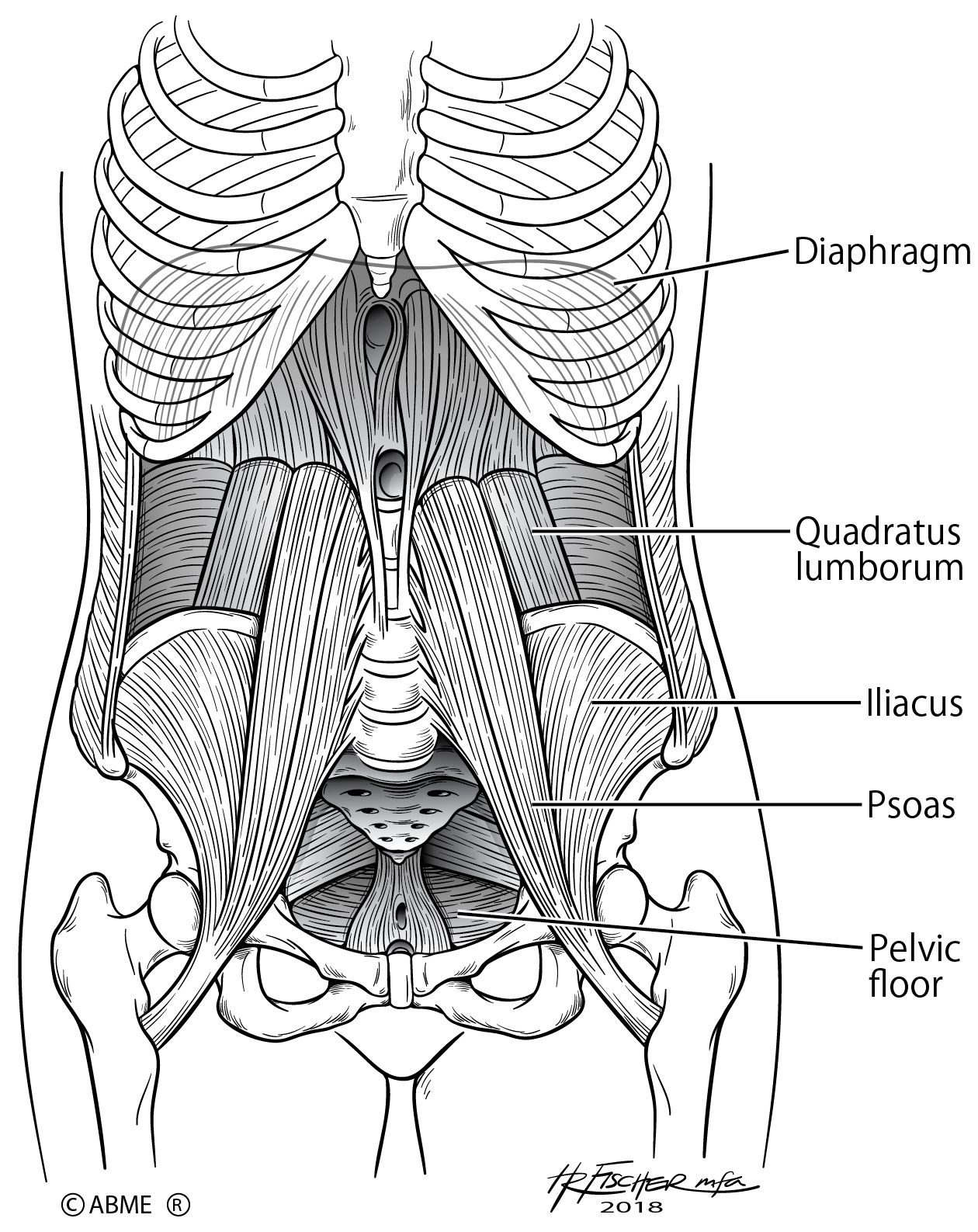
Figure 1: The Torso
HOW THE ABDOMINAL CAVITY ACTUALLY WORKS
The abdominal cavity is a sealed space. No air enters it (see Figure 1, the torso).
On inhalation, the diaphragm descends and the abdominal contents shift to accommodate the expansion of the lungs above. The cavity changes shape, not volume. On exhalation, the diaphragm releases upward, the ribs descend, and the abdominal contents return toward resting position.
During exhalation, different muscular engagements create different musical outcomes.
Figures 2 and 3 (abdominal wall and intercostal muscles) show the muscles needed for support. For louder dynamics, the rectus abdominis assists the internal intercostal muscles to create faster rib descent. Faster rib descent increases air velocity. This is often inaccurately described as “push from the stomach,” but the underlying coordination is rib driven.
For softer dynamics, the transverse abdominis (TA) plays a more nuanced role. The TA wraps around the torso and provides gentle circumferential containment rather than outward pushing. At the same time, rib descent becomes more precisely regulated. The internal intercostal muscles assist the downward movement of the ribs, while the external intercostals remain partially active to prevent sudden collapse. This balanced co-contraction1allows the ribs to descend slowly and steadily. Air remains pressurized even as the release is extended. The reed continues to vibrate, though the phrase is quieter.
Both loud and soft dynamics rely on rib movement. What changes is the rate of rib descent, the degree of co-contraction between the internal and external intercostals, and the way the abdominal wall engages to regulate pressure.
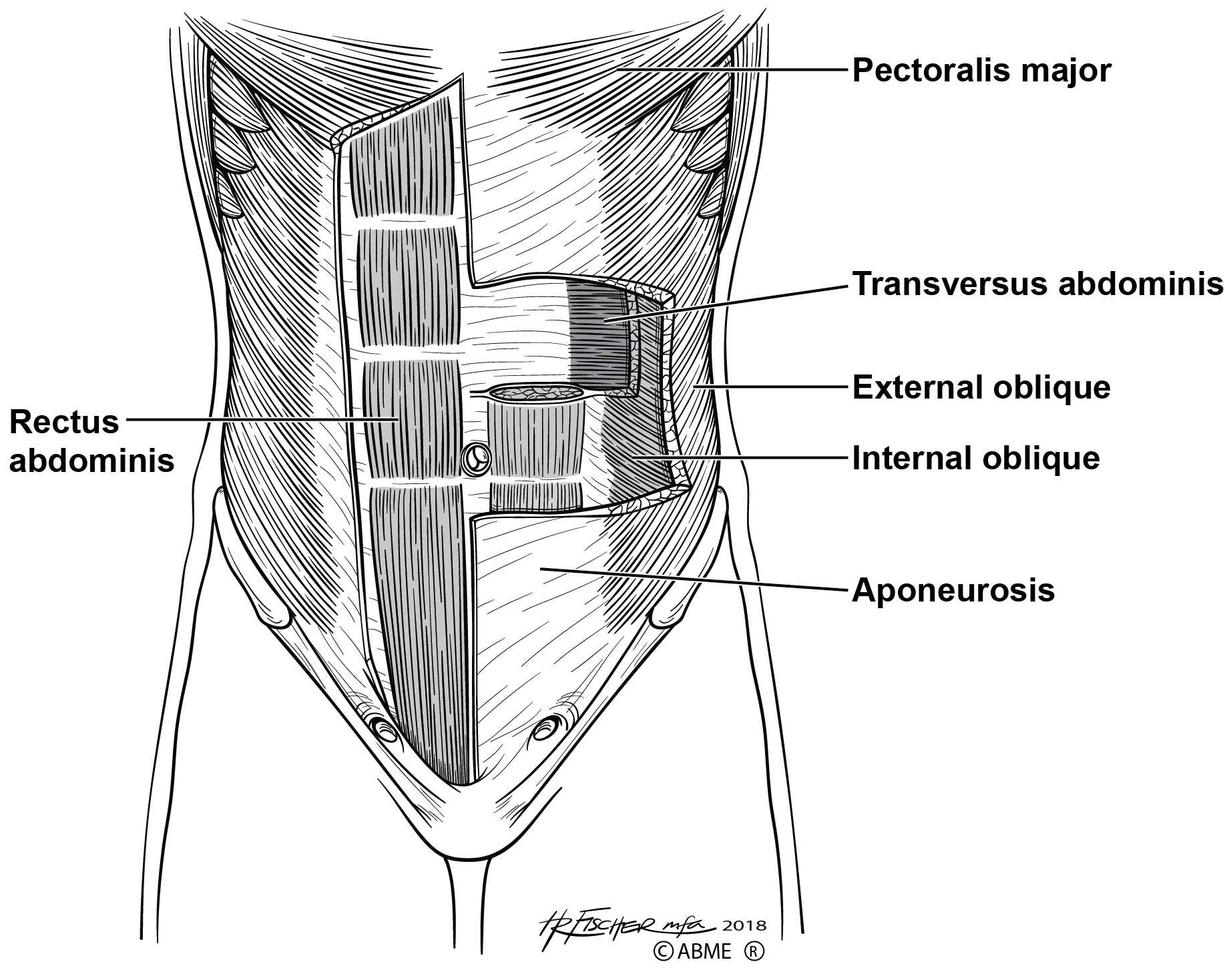
Figure 2: Muscles of the Abdominal Cavity
LOUD AND SOFT: VARIATIONS OF THE SAME MECHANISM
Loud playing:
- Faster rib descent
- Front-of-abdominal wall assists
- Increased air velocity over a shorter duration
Soft playing:
- Slower rib descent
- Balanced engagement of the transverse abdominis
- Sustained pressure with extended duration
These are not separate systems. They are coordinated variations of the same mechanism responding to musical intention.
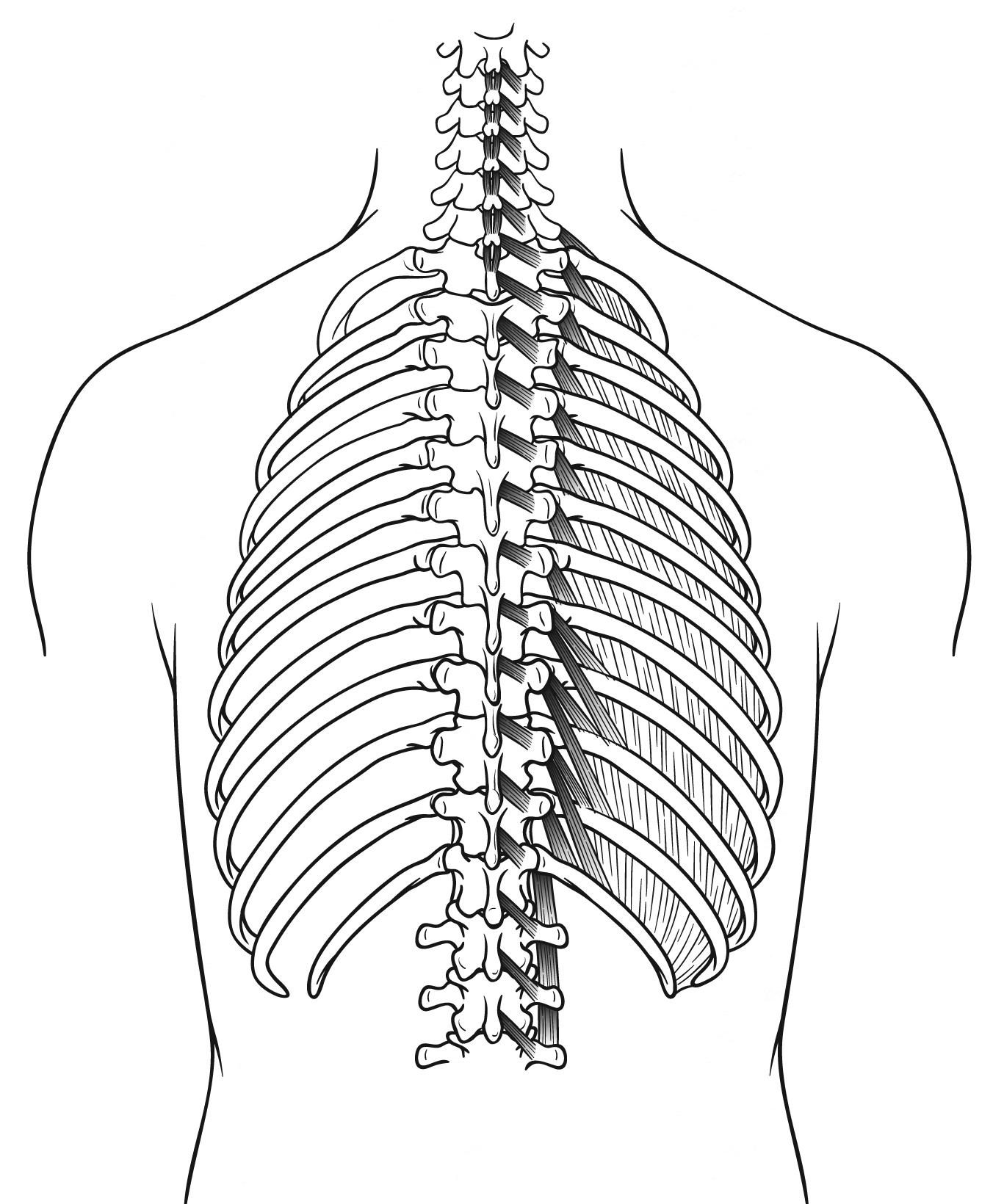
Figure 3: Intercostals and Levatoris muscles
THE TONGUE’S ROLE
The torso organizes pressure. The tongue refines compression.
When the tongue rises toward the hard palate, the oral cavity narrows and airflow accelerates. This shaping influences pitch, voicing, and tone focus. The throat does not drive airflow. The tongue and embouchure shape what the torso supplies.
Support is therefore distributed coordination:
- Ribs regulate timing
- Abdominal musculature assists pressure
- Tongue shapes velocity
- Embouchure balances resistance
WHAT SUPPORT IS NOT
Support is not:
- pushing the belly outward
- bracing the ribs
- lifting the chest
- involving the throat
- collapsing the lower back
These patterns interrupt coordination and replace organization with effort.
PUTTING IT INTO PRACTICE
1 Allow and observe rib movement during long tones at multiple dynamics. Are the upper ribs free to descend?
2 Notice whether loud passages increase pushing or increase rib speed.
3 Explore soft playing by allowing rib descent to slow while gently engaging the transverse abdominis.
4 Take only the breath that matches the phrase. Avoid stacking air.
When rib movement leads and abdominal musculature assists rather than opposes, support becomes reliable and adaptable.
CLOSING THE SERIES
In this series, we have clarified three essential ideas:
1 Inhalation organizes itself within a balancing body.
2 Ribs are the primary drivers of air movement.
3 Support is the regulation of exhalation, not the forcing of air.
When these elements are understood anatomically and applied pedagogically, breath ceases to be mysterious. Tone becomes less muscular and more resonant. Phrasing becomes less effortful and more temporal.
You were born knowing how to inhale and exhale. Clarinet playing does not require replacing that design. It requires understanding it.
ENDNOTES
1 Co-contraction refers to the simultaneous engagement of muscles that produce opposing actions in order to regulate and refine movement rather than generate force. In breathing for clarinet playing, this may occur when the internal intercostals assist rib descent while the external intercostals remain partially active to slow that descent, allowing controlled pressure and steadiness in the airstream without bracing or collapse.
 Shawn L. Copeland is a pioneer in the fields of musician wellness and performance training. His innovative, creative, and transformational approach has set him apart as a multidimensional musician, pedagogue, and entrepreneur. His unique methods have established him as a leader, culminating in the founding of mBODYed, LLC, a company that is reshaping the landscape of performance training for musicians, actors, and dancers. Shawn is a performing artist and clinician for Buffet Crampon USA, Gonzalez Reeds, Inc., and the Silverstein Group.
 Jackie McIlwain, D.M., is a passionate clarinet pedagogue whose innovative teaching infuses principles of Body Mapping and Alexander Technique, providing fresh ideas and perspectives that not only help her students grow musically but also challenge them to incorporate their whole selves into their music. Dr. McIlwain has been at the University of Southern Mississippi since 2013 and currently serves as associate professor of clarinet. She is also a Buffet Crampon performing artist and Vandoren artist-clinician.
Comments are closed.